
Unlocking the Power of Virtual Tours: Transforming Real Estate and Hospitality Experiences
In today's digital age, the landscape of real estate and hospitality marketing is undergoing a profound transformation, thanks to the emergence of cutting-edge technologies like virtual tours. These immersive digital experiences are revolutionizing the way properties are showcased and experienced, offering a myriad of benefits for both industry professionals and prospective buyers or guests. Let's delve into the remarkable advantages of virtual tours in the real estate and hospitality market.
1. Enhanced Property Visibility and Accessibility
Virtual tours provide an unparalleled platform for showcasing properties to a global audience, transcending geographical boundaries and time constraints. With just a click, potential buyers or guests can explore every corner of a property, from the comfort of their own homes or offices. This increased accessibility not only expands the reach of property listings but also accommodates busy schedules, allowing individuals to view properties at their convenience.
2. Immersive and Interactive Experiences
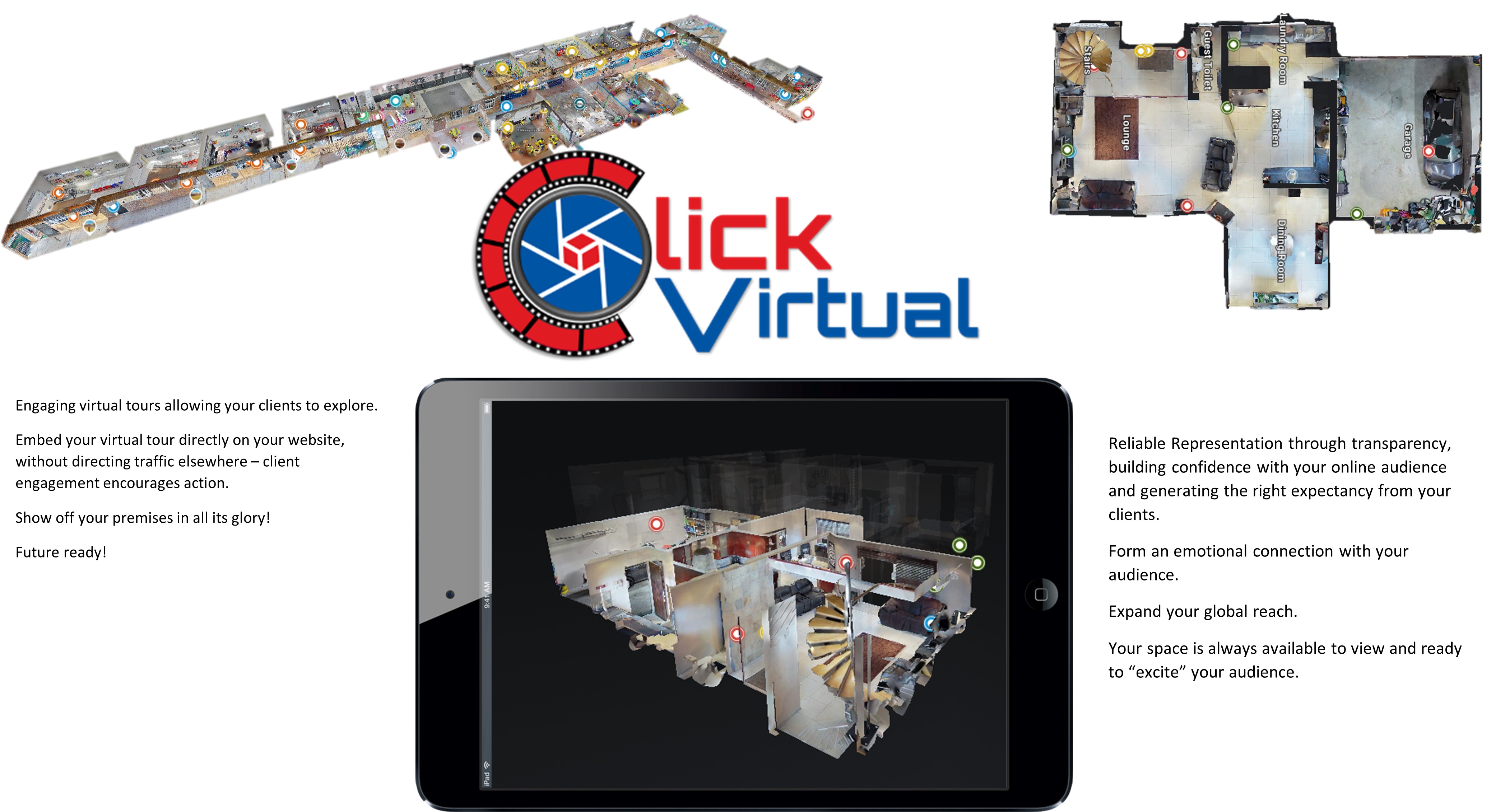
Unlike traditional photographs or static floor plans, virtual tours offer immersive and interactive experiences that engage viewers on a deeper level. Through 360-degree panoramic views, viewers can navigate through rooms, zoom in on details, and get a true sense of the property's layout, size, and spatial flow. This level of interactivity fosters a more visceral connection with the property, enabling viewers to envision themselves living or vacationing there.
3. Time and Cost Savings
For real estate agents and property developers,
virtual tours represent a cost-effective and time-efficient marketing solution.
By digitizing properties and eliminating the need for physical walkthroughs,
agents can streamline the sales process, reduce travel expenses, and allocate
resources more efficiently. Similarly, in the hospitality industry, virtual
tours allow guests to preview accommodations and amenities before booking,
saving time and reducing the likelihood of cancellations or dissatisfaction upon
arrival.
4. Competitive Advantage and Differentiation
In a crowded market, differentiation is key to standing out
and capturing the attention of potential buyers or guests. Virtual tours offer
a distinct competitive advantage, allowing properties to distinguish themselves
from the competition and leave a lasting impression. By providing an immersive
and memorable viewing experience, properties can attract more qualified leads,
command higher prices, and ultimately achieve faster sales or bookings.
5. Increased Transparency and Trust
Transparency is paramount in the real estate and hospitality industries, where trust is fundamental to successful transactions. Virtual tours foster transparency by providing a comprehensive and honest representation of properties, leaving little room for ambiguity or misinterpretation. This transparency instills confidence in buyers or guests, mitigates uncertainty, and cultivates trust between parties, leading to smoother transactions and positive relationships.
Embrace the Future of Real Estate and Hospitality Marketing
In conclusion, virtual tours are revolutionizing the way
properties are marketed, experienced, and transacted in the real estate and
hospitality industries. From enhanced visibility and interactivity to cost
savings and trust-building, the benefits of virtual tours are undeniable. As
technology continues to evolve and consumer expectations evolve, embracing
virtual tours is not just a competitive advantage but a necessity for staying
relevant and thriving in today's dynamic market landscape. Join the virtual
revolution and unlock the full potential of your properties in the digital age.